We cannot read your data
Not because we promise not to. Because we built it so that we cannot.
The one sentence that matters
Every company that holds your passwords says they take security seriously. Most of them mean it. And most of them, if a court asked, could hand your data over tomorrow morning, because they hold the key.
We cannot. Your credentials are encrypted, and we do not hold what opens them. There is nothing on our side to produce, for a court or for anyone else.
That is not a policy a future management team could quietly change. It is an architecture, and it holds from the moment your chip is provisioned.
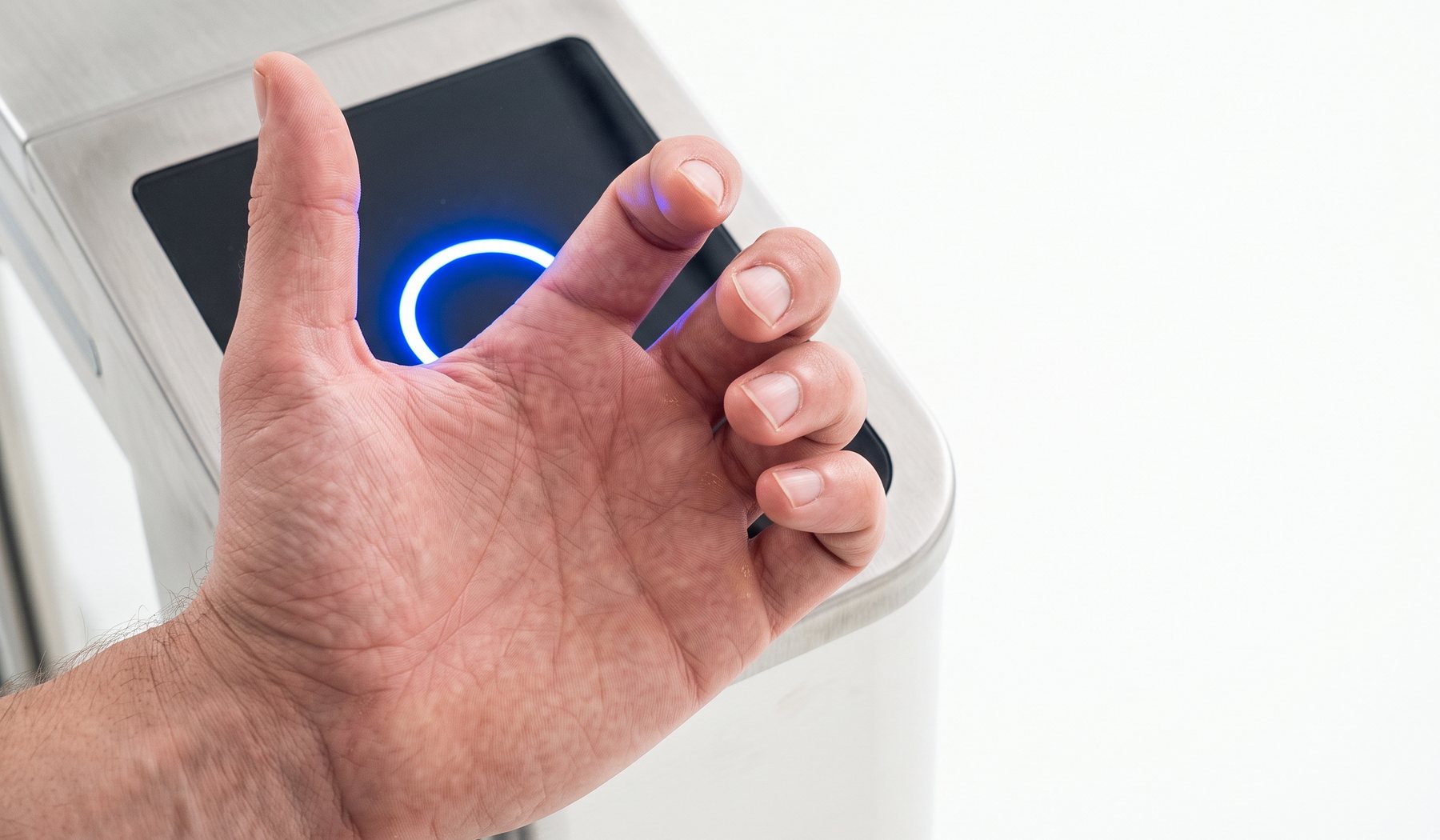
The layers
The chip
An NXP MIFARE DESFire EV3, the same class of secure element that sits behind contactless payments and transit systems worldwide. AES mutual authentication, a manufacturer-signed certificate so we can verify the silicon is genuine, and a key that never leaves the chip. Without successful authentication, it refuses every operation.
The master key
It lives in a hardware security module, dedicated tamper-resistant hardware. Never written to a database. Never exported. Never loaded into ordinary server memory.
Transport and sessions
TLS 1.3 with HSTS preload, strict content security policy, rate limits and lockout on authentication, session tokens hashed at rest.
What this stops
Phishing, wherever passkeys are supported. A passkey is bound to the domain it belongs to. A perfect replica of a login page receives a perfect nothing, because the browser refuses to sign for a domain that does not match. This is not our clever idea, it is how the standard works, and it is the reason we build on it.
Credential stuffing. Every site gets its own credential. There is no master password to crack, and nothing that can be reused anywhere else.
A duplicated implant. The key never leaves the chip, so the chip cannot be duplicated. That is a property of the silicon itself, designed and certified by the manufacturer, and tested the way this class of chip always is: years of public scrutiny, independent laboratory attacks, academic papers trying to break it. We did not implement this on top. We chose a component that had already survived being attacked.
A stolen laptop or phone. The credential was never in either of them. It walked out of the building with the person.
Us. Our own engineers cannot decrypt your vault. Sensitive actions require approval from more than one person, and every one of them is logged.
What this does not stop
Here is the part most security pages leave out.
Physical removal of the chip. Your body, your decision, and nothing we build changes that.
Coercion. You will be able to set how much security each part of your life needs. But like every authentication method ever invented, a gun to the head opens everything. We are not going to pretend otherwise.
A device already compromised at the moment you tap. If malware is running on your unlocked machine when you authenticate, it can act inside that session. The window is narrow. It is not zero.
We could have left this section out. Every page like this one does. But you are going to put this in your hand, and you deserve to know exactly where the edges are.
Independently reviewed
The architecture is being audited by an external cryptography firm before we open to the public. We will publish what they find, including anything we would rather they had not found.
Designed in Switzerland. Built by a cryptographer with a PhD from ETH Zurich and IBM Research.